Bedding · Infant sleep
Naturepedic Crib Sleep Surfaces: Fit, Firmness, and Care Checks
A thoughtful crib setup begins with practical details, not a promise on a label. Before choosing a Naturepedic mattress or bedding accessory, check how the sleep surface fits the crib, what its specifications actually say, and how its care instructions align with current safe-sleep guidance.
Published November 16, 2026
Preparing a baby’s sleep space can feel like a study in contrasts: the desire to make it soft and welcoming, balanced against the need for a clear, uncomplicated surface. Organic materials and careful construction may be important priorities for a family, but neither a material label nor a reassuring product description replaces the fundamentals of crib fit, firmness, and safe setup.
Naturepedic offers products associated with organic crib sleep environments, including mattresses and bedding. The most useful way to compare them is to move beyond broad claims and look at verifiable details: the crib’s internal dimensions, the mattress measurements, the shape and firmness of the surface, and the exact instructions for any pad or protector. Those checks help turn a crowded marketplace into a more manageable decision.
This guide is educational, not medical advice. Safe-sleep recommendations can change, and individual circumstances may call for guidance from a pediatrician. Consult current advice from recognized public-health authorities, including the American Academy of Pediatrics, and follow the product and crib manufacturers’ instructions.
Start with the crib, not the product name
“Standard crib” is a useful starting point, but it is not a substitute for measuring. Check the crib’s manual for its intended mattress dimensions and any instructions about compatible mattresses. Then review the dimensions listed for the mattress you are considering. Compare length and width, and verify that the mattress is designed for that exact type of crib rather than assuming that a familiar label guarantees a universal fit.
When the mattress is in the crib, it should lie flat and sit securely within the frame. A large gap at the edges can create a hazard; a mattress that bows, buckles, or is forced into place is not a sound solution either. Follow the crib manufacturer’s fit guidance and safety instructions. If the fit is uncertain, pause before use and contact the crib or mattress manufacturer for clarification rather than improvising with extra padding or rolled fabric.
Measurements are especially important when a crib is convertible, compact, antique, or otherwise outside the common full-size format. A mini crib, for instance, generally needs a mattress intended for that particular size. Used or inherited cribs deserve extra scrutiny: identify the model if possible, read its instructions, and check that the mattress and frame are compatible and in good condition. The visual impression of a snug fit is not always enough to establish compatibility.
Firmness is a specification worth checking
For an infant, the sleep surface should be firm and flat, without an incline. Firmness is not the same as discomfort for an adult, and a plush showroom feel is not the standard to apply to an infant sleep surface. Avoid judging a crib mattress by pressing a hand into it, comparing it with an adult bed, or relying on words such as “cloud-like” or “luxurious.” Instead, check that the product is intended for infant sleep and review its specifications and manufacturer guidance.
Be cautious with language that sounds reassuring but is not a clear, testable description. “Natural,” “breathable,” and “supportive” can describe different product attributes, but these terms do not by themselves establish whether a surface is appropriate for an infant. Look for a clear intended-use statement, the product’s dimensions, construction information, and the instructions for use. If a product’s firmness or suitability is unclear, ask the manufacturer directly and consult your child’s clinician when appropriate.
Keep the sleep surface level and unobstructed. Pillows, quilts, comforters, loose blankets, stuffed toys, positioners, and soft toppers do not belong in an infant’s sleep space. Nor should an adult mattress topper or another cushioning layer be used to make a crib mattress feel softer. A neatly styled nursery can be achieved around the crib; the baby’s sleep space itself should remain simple.
Read the material details with a clear eye
Families may choose to compare cotton, waterproof layers, latex, wool, or other materials when researching crib products. These are relevant construction details, but they should be considered alongside fit, firmness, intended use, and care—not as shortcuts around them. Ask what each layer does, whether it is part of the mattress or a separate accessory, and whether the manufacturer permits it to be used in the way you plan.
Organic certifications can help explain how a material or product has been assessed under a particular standard. They do not mean that every product with a similar-sounding claim has the same construction, and they do not establish that a mattress will suit every crib. Read the specific certification and scope described by the manufacturer. A claim about organic cotton, for example, is a claim about a material or process; it is not, on its own, a statement about fit or firmness.
Similarly, a waterproof layer may help protect a mattress from moisture, but caregivers should check whether it is integrated into the mattress or supplied as a separate protector. If it is a separate item, verify that it is made for the crib mattress dimensions, stays flat, and is approved for the intended use. Do not add a bulky, quilted, or loose-fitting layer. The goal is protection without introducing an unstable or cushioned surface.
A practical comparison: mattress, pad, and protector
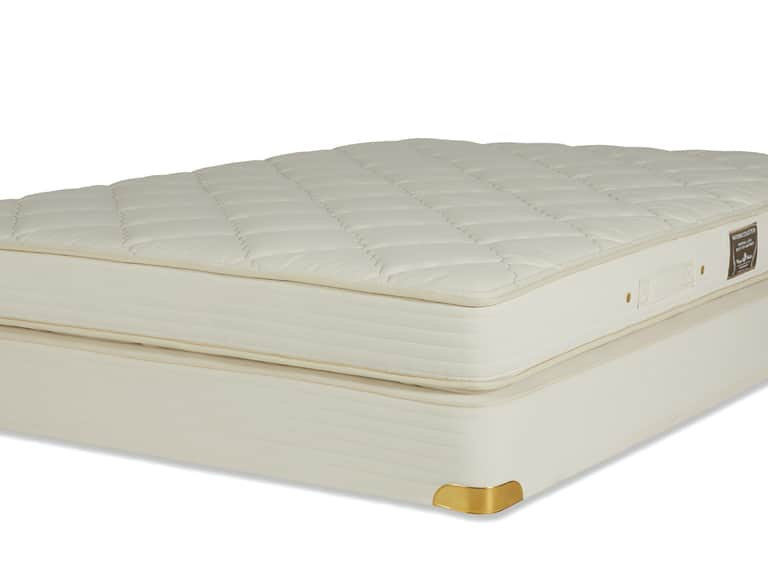
Product names can blur important differences. A mattress is the primary sleep surface. A protector is typically intended to shield that surface from moisture or wear. A pad may add a textile layer and could be quilted or cushioned. These categories are not interchangeable, so examine the actual construction rather than relying on the title alone.
For example, the Naturepedic Waterproof Organic Cotton Crib Mattress Pad is described as a flat pad with cotton layers and an inner waterproof layer. Its product information lists dimensions of 28 by 52 inches and describes placement beneath a crib sheet. Before considering any accessory, verify that its dimensions match the mattress and that the manufacturer’s current instructions support the intended use. A product being made for a crib does not make it a substitute for checking the sleep setup as a whole.
When comparing accessories, ask whether the layer lies flat, whether it can shift, how thick or padded it is, and whether the product instructions specify any restrictions. If a pad is designed to sit under a fitted sheet, use it only as directed and check that the sheet remains securely fitted over the complete setup. If anything bunches, curls, slides, or makes the surface less level, remove it and seek guidance from the manufacturer.
The fitted sheet is part of the fit check
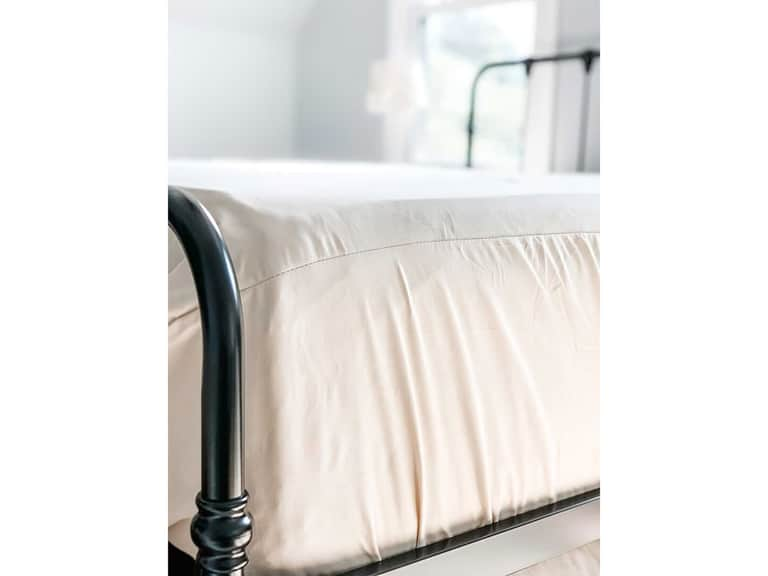
A correctly sized mattress still needs correctly sized bedding. Check the sheet’s stated mattress dimensions and pocket depth, and confirm that it is intended for a crib mattress rather than a larger bed. The fitted sheet should stay taut and secure around the mattress. A sheet that is too large can come loose; one that is too small may pull the mattress out of position or fail to stay in place.
After laundering a new sheet, check the fit again. Fabric can shrink or change shape with washing, which makes the care label more than a housekeeping detail. If a sheet no longer fits securely, replace it rather than stretching it over the mattress or layering another sheet on top. Keep spare bedding nearby for practical changes, but place only the properly fitted sheet on the sleep surface.
When a waterproof pad or protector is used, check the completed arrangement—not just each item separately. The mattress, any permitted layer, and the sheet should remain flat and secure. If the added layer compromises the fit of the sheet or alters the surface, simplify the setup. A clean, close fit is more useful than an elaborate stack of products.
Care instructions: a small detail with lasting value
Care requirements vary by product. Some mattress covers are not removable or machine washable; certain accessories may be washable, while others call for spot cleaning or a specific drying method. Before buying, read the current care instructions and ask how to handle ordinary spills or accidents. Do not assume that a mattress can be laundered because its protector can, or that a removable cover is designed for a washing machine.
For bedding, follow the label’s temperature, cycle, detergent, and drying guidance. Avoid bleach or high-heat drying unless the manufacturer explicitly permits them. A waterproof membrane, elastic edge, quilting, or natural fiber may respond differently to heat and repeated washing. Careful laundering can help preserve fit and construction; it cannot make an ill-fitting accessory safe to use.
For the mattress itself, use only cleaning methods the manufacturer allows. If the instructions say spot-clean, do not soak the mattress or remove a non-removable cover. Allow any cleaned area to dry completely before the sleep space is used again. If the mattress becomes damaged, develops an uneven surface, or no longer lies flat, contact the manufacturer about whether it remains suitable for use.
Good care is also a matter of routine. Check bedding for tears, stretched elastic, loose threads, or signs that a waterproof layer has deteriorated. Inspect the mattress and crib periodically, especially after moving the crib, changing its height, or converting it to another configuration. A brief inspection can reveal a loose fit or damaged component before it becomes a recurring annoyance.
A calm, evidence-minded shopping checklist
Use these questions to compare Naturepedic and other crib sleep-surface options without allowing lifestyle language to crowd out practical facts:
- What kind of crib is it? Confirm the model, type, and manufacturer’s specified mattress dimensions.
- What are the exact mattress measurements? Compare listed length and width with the crib instructions; verify compatibility rather than relying on a general size name.
- Is the product intended for infant sleep? Look for a clear statement of intended use and consult current safe-sleep guidance.
- What does the manufacturer say about firmness and orientation? Check that the surface is intended to be firm, flat, and level for the relevant use.
- Is there an added layer? Determine whether the product is a mattress, protector, or pad, and read the instructions for that specific construction.
- Will the fitted sheet remain secure? Check the sheet’s dimensions and fit over the complete approved setup, including any permitted protector.
- How is each item cleaned? Review washing, drying, spot-cleaning, and replacement instructions before purchase.
- Can the manufacturer answer a specific question? Ask about unclear dimensions, compatibility, material layers, or care rather than inferring an answer from marketing copy.
What to leave out of the crib
Safe-sleep guidance is consistent in its emphasis on a clear infant sleep space. Place a baby on their back for sleep on a firm, flat surface with a fitted sheet, and keep soft objects and loose bedding out of the crib. Do not use pillows, quilts, comforters, plush toys, sleep positioners, or unapproved cushioning products. Avoid inclined sleep products and do not try to create an incline with towels, wedges, or mattress adjustments.
These principles apply regardless of whether a mattress is organic, conventional, waterproof, or made with a particular fiber. A more complex sleep setup is not necessarily a better one. If a family member has given you a blanket or decorative cushion, it can be used elsewhere in the room while the baby is awake and supervised, but it should not be placed in the crib for sleep.
If you have a question about a baby’s specific health needs, discuss it with a pediatrician rather than adding equipment on your own. Advice about an individual infant may differ from general product guidance, and a clinician can help explain what applies to your circumstances.
Make the final choice a simple one
A well-chosen crib sleep surface is not defined by the most elaborate description. It is the one that matches the crib, provides the intended firm and level surface, works with a securely fitted sheet, and comes with care instructions you can follow. Material preferences and certifications may help narrow the options, but they belong inside that practical framework.
Before the first night, assemble the crib according to its manual, place the compatible mattress inside, and check the sheet’s fit. Review instructions for any protector or pad, and leave out anything that adds loose or soft bedding. Keep the manufacturer’s product information available for future care questions. If a detail remains uncertain, ask before using the item.
The most reassuring nursery is not necessarily the one with the longest list of accessories. It is the one where the important details have been checked and the baby’s sleep space remains clear. With careful attention to dimensions, firmness, materials, and maintenance, caregivers can make an informed choice without confusing premium language for proof.
The essentials at a glance
- Match the mattress to the crib using the manufacturers’ exact dimensions and compatibility instructions.
- Choose an infant sleep surface described for that use, and check current guidance on firmness and a level setup.
- Use only a fitted sheet that stays secure; assess the complete setup if a manufacturer-approved protector is used.
- Keep pillows, loose blankets, toys, positioners, toppers, and other soft objects out of the crib.
- Follow each product’s specific cleaning instructions and replace or stop using damaged, loose, or unstable items.