 Furniture
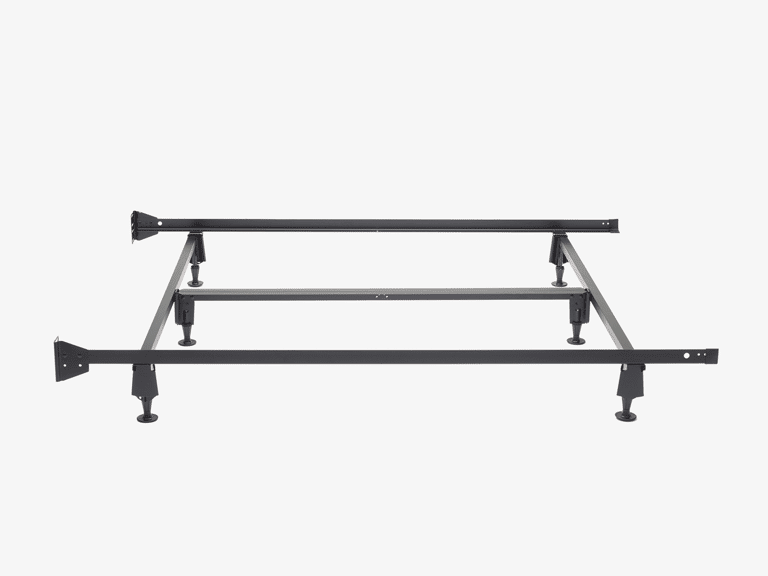
Metal Bed Frame
Durable, eco-friendly steel frame that snaps together tool-free, pairing perfectly with Casper foundations and mattresses for a clean, sleep-ready setup you can trust night after night.
Platform bed frames provide a streamlined, modern foundation for mattresses, combining low-profile design with sturdy support. These frames typically emphasize clean lines, hidden hardware, and slat systems that promote even weight distribution. Understanding frame construction, material choice, and height options helps align comfort, accessibility, and aesthetics in bedroom layouts.
Metal bed frames, a common variant in platform designs, offer durability, stability, and minimal maintenance. Features often include reinforced center rails, multi-slat support, and corrosion-resistant finishes. The reduced risk of squeaks and easy disassembly for relocation make metal platforms suitable for varied room configurations and long-term use of mattresses.
When evaluating a platform bed frame, assess factors such as load capacity, underbed clearance, and compatibility with organic mattresses. A solid slat system supports proper spinal alignment and breathability, while frame height influences ease of access and vacuuming space underneath. These considerations contribute to overall sleep quality and room cleanliness.
Key functional benefits of metal platform bed frames include unobtrusive aesthetics, compatibility with a range of mattress types, and reliable foundational support. They often provide easy assembly, versatile headboard attachment options, and sufficient ventilation to reduce moisture buildup, supporting the longevity of bedding ensembles like sheets, pillows, and organic mattresses.
In educational context, platform bed frames serve as a foundational component of a cohesive sleep environment. By examining frame height, bulkhead options, and compatibility with organic crib mattresses or adult mattresses, users can select a frame that harmonizes with bedding and room design while maintaining practical usability and comfort.
Furniture